
 By
By 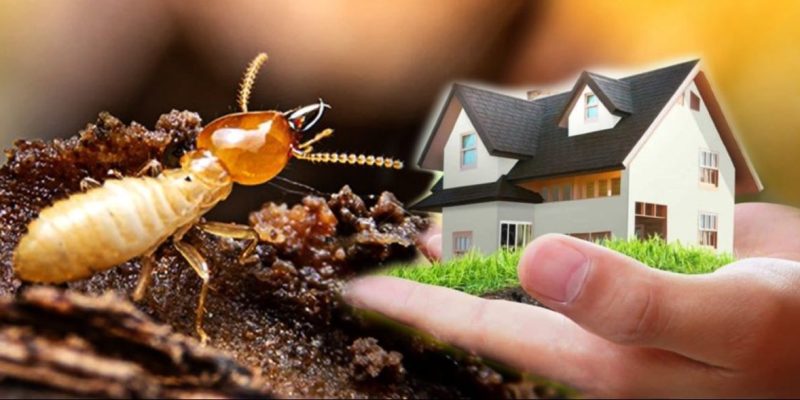
Phoenix may sit in the desert, but the presence of moisture can still encourage pest activity here. The dry climate in the city stops ants, termites, cockroaches, and scorpions from infesting homes. This has to do with the water sources in and around the home. That is why homeowners must manage moisture wisely to reduce pest issues and protect their homes year-round. They can turn to a pest control company in Phoenix if they need help with controlling and eliminating pests.
Why Moisture Exists in a Desert City
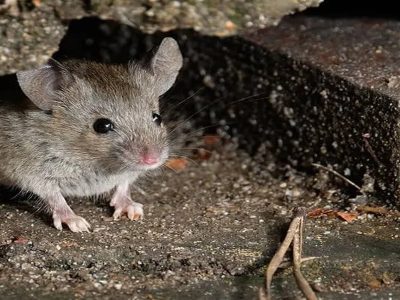
Water may be scarce in the desert, but this scarcity makes moisture more valuable to pests than food in many cases. Insects and rodents adapt well to heat, but they still need water to survive. A small drip under a sink or damp soil near the foundation can act like a beacon for them. Also, sudden rain raises humidity and drives pests toward sheltered areas. Homes that trap moisture or fail to drain well may experience a spike in activity during these months. To control pests, below are steps you can take:
Fix Leaks Right Away
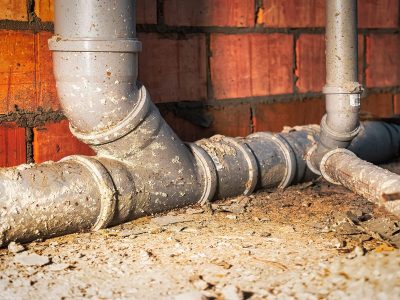
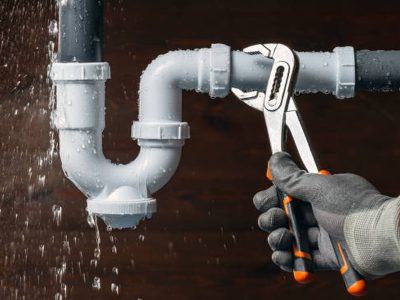
Pests will quickly notice a slow drip from a pipe, faucet, or water heater. Ants, cockroaches, and termites thrive near water access. Check under sinks, behind toilets, and around appliances such as dishwashers and washing machines. Pay attention to water stains, warped wood, or musty odors. Address repairs quickly.
Manage Bathroom and Kitchen Humidity
Bathrooms and kitchens produce moisture daily. Steam from showers and cooking can raise indoor humidity levels, especially in homes with limited ventilation. Damp air supports mold growth and attracts insects.
Use exhaust fans during showers and meal prep. Open windows when weather allows. Wipe down wet surfaces after use to limit lingering moisture. These habits help keep the air dry and less appealing to pests that seek damp zones.
Pay Attention to Your Air Conditioning System
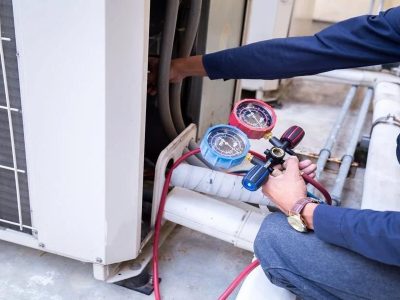
Air conditioning runs much of the year in Phoenix. It cools the home, but it also affects moisture levels. A poorly maintained system may create condensation around vents, ducts, or the unit itself.
Schedule regular AC maintenance to keep drainage lines clear. Replace filters as needed to support proper airflow. A system that works as designed removes excess humidity.
Improve Drainage Around the Foundation
Outdoor moisture can cause indoor pest issues. Poor drainage around the foundation allows water to pool after rain or irrigation. This damp soil attracts termites, ants, and other ground-dwelling pests.
Ensure soil slopes away from the home. Clear debris from gutters and downspouts, so water flows away from the structure. Extend downspouts if needed to move runoff farther from the foundation. Dry soil near the home forms a natural barrier against many pests.
Adjust Irrigation Practices
Overwatering lawns, trees, or shrubs creates damp conditions that pests love. This is true when water hits the foundation or exterior walls.
Set irrigation systems to water early in the morning, which allows the soil to dry during the day. Avoid spraying water directly onto the house. Use drip irrigation where possible, since it delivers water more precisely and reduces excess moisture.
Seal Entry Points That Trap Moisture
Cracks, gaps, and poorly sealed openings let pests enter and trap moisture inside walls. These areas often stay cool and damp, which suits insects such as cockroaches and termites. Inspect around doors, windows, utility lines, and vents. Use weather stripping, caulk, or sealant to close gaps. Proper sealing supports moisture control and limits access points.
Keep Crawl Spaces and Storage Areas Dry
Some Phoenix homes include crawl spaces, garages, or storage rooms that get little airflow. These areas can trap moisture from outdoor heat differences or plumbing lines.
Use dehumidifiers in enclosed spaces if needed. Store items off the floor to allow air circulation. Avoid placing cardboard boxes directly against walls, since they absorb moisture and attract pests seeking shelter.



Comments