
 By
By 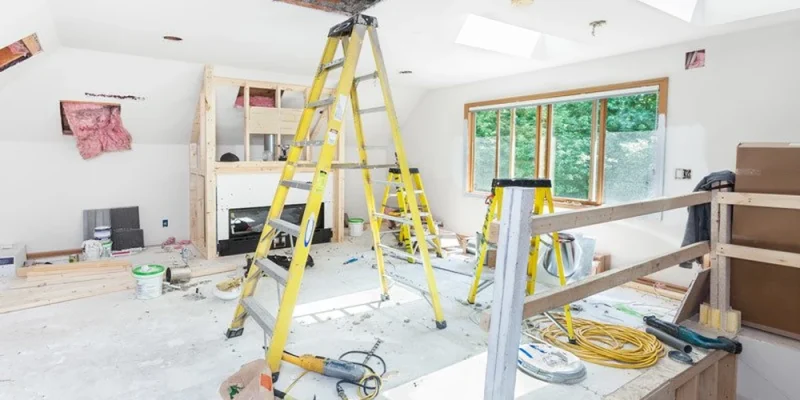
California homeowners continue to invest in home remodeling for one simple reason: improving a home often delivers benefits that extend far beyond appearance. A well-planned remodel can increase functionality, improve energy efficiency, enhance comfort, and contribute to long-term property value. Whether you’re updating a single room or planning a whole-house transformation, making informed decisions based on reliable information helps maximize your investment.
Rather than relying solely on design trends, successful remodeling projects combine thoughtful planning, realistic budgeting, and careful material selection. Data consistently shows that homeowners who prepare thoroughly before construction experience fewer delays, fewer change orders, and greater overall satisfaction.
Remodeling Trends Supported by Data
Home improvement activity has remained consistently strong across California as homeowners seek to adapt existing homes to changing lifestyles. Open living spaces, improved storage, energy-efficient upgrades, and flexible rooms continue to rank among the highest priorities.
FACT BOX
Homeowners commonly prioritize:
- Improved functionality
- Better energy efficiency
- Increased storage
- Easier maintenance
- Long-term durability
These priorities influence remodeling decisions across kitchens, bathrooms, living spaces, flooring, windows, and exterior improvements.
| Remodeling Priority | Primary Benefit | Long-Term Value |
| Kitchen upgrades | Improved workflow | High |
| Bathroom improvements | Comfort & efficiency | High |
| Flooring replacement | Durability | Medium-High |
| Window upgrades | Lower energy costs | High |
| Storage improvements | Better organization | High |
Statistical Summary
Although every project differs, industry research consistently suggests that homeowners who establish a detailed project scope before construction experience fewer unexpected expenses than those who begin without comprehensive planning.
Planning remains one of the strongest predictors of project success.
Budget Planning and Cost Drivers
One of the biggest misconceptions about remodeling is that finishes alone determine project cost. In reality, labor, structural modifications, permitting requirements, utility updates, and material availability all contribute significantly.
California projects often require additional planning because of local building codes, energy standards, and permitting processes. Homeowners should consider:
- Existing home condition
- Structural limitations
- Electrical capacity
- Plumbing infrastructure
- HVAC compatibility
- Material lead times
FACT BOX
Budget categories frequently include:
- Design
- Permits
- Demolition
- Construction
- Materials
- Finishes
- Contingency reserve
Experts often recommend maintaining a contingency budget to address unforeseen issues that become visible after demolition begins.
| Cost Factor | Potential Impact | Planning Importance |
| Structural repairs | High | Very High |
| Electrical upgrades | Medium-High | High |
| Plumbing changes | Medium | High |
| Custom cabinetry | Medium-High | Medium |
| Premium finishes | Variable | Medium |
Working with an experienced home renovation contractor can help homeowners understand which improvements provide the greatest value while avoiding unnecessary expenses. Early collaboration also helps coordinate schedules, inspections, and material ordering, reducing the likelihood of costly delays.
Statistical Summary
Projects that begin with detailed drawings, accurate measurements, and realistic scheduling generally experience smoother construction phases than projects that rely on last-minute decisions.
Material Selection and Performance
Choosing materials involves balancing durability, maintenance requirements, appearance, and long-term ownership costs.
For flooring, homeowners often compare hardwood, luxury vinyl plank, engineered wood, porcelain tile, and laminate. Each offers distinct advantages depending on household needs.
Cabinet materials vary in construction quality, finish durability, and customization options. Countertops similarly differ in maintenance requirements, stain resistance, heat resistance, and longevity.
FACT BOX
- Expected lifespan
- Maintenance frequency
- Moisture resistance
- Repairability
- Warranty coverage
- Sustainability
| Material Feature | Why It Matters |
| Moisture resistance | Protects against water damage |
| Scratch resistance | Maintains appearance |
| Heat resistance | Improves durability |
| Ease of cleaning | Reduces maintenance |
| Warranty | Indicates manufacturer confidence |
California’s varied climate also influences material choices. Coastal moisture, inland heat, and mountain temperature fluctuations can all affect long-term performance.
Specialized Spaces and Lifestyle Improvements
Modern remodeling increasingly focuses on creating spaces that support changing lifestyles. Home offices, fitness rooms, multigenerational living areas, and entertainment spaces have become common renovation priorities.
Dedicated entertainment rooms continue to gain popularity because they provide immersive viewing experiences while improving household flexibility. Homeowners researching how to remodel home theater often discover that successful projects involve much more than installing a large television. Room acoustics, lighting control, seating layout, wiring infrastructure, ventilation, and sound isolation all contribute to overall performance.
FACT BOX
Entertainment room planning typically includes:
- Acoustic treatments
- Dedicated electrical circuits
- Smart lighting
- Equipment ventilation
- Comfortable seating
- Cable management
Statistical Summary
Purpose-built rooms generally deliver greater long-term satisfaction when functionality is considered during the design phase rather than added after construction is complete.
Long-Term Value and Final Considerations
Successful remodeling extends beyond aesthetics. The most effective projects improve how homeowners live every day while supporting long-term maintenance, efficiency, and resale potential.
Before beginning any project, homeowners should establish clear objectives, realistic budgets, and practical timelines. Investing time in planning often reduces stress during construction and leads to better overall outcomes.
As remodeling priorities evolve, durable materials, efficient layouts, and thoughtful design continue to outperform short-lived trends. Whether updating one room or transforming an entire property, home remodeling delivers the greatest value when decisions are guided by reliable information, careful preparation, and a commitment to lasting quality.




Comments