
 By
By 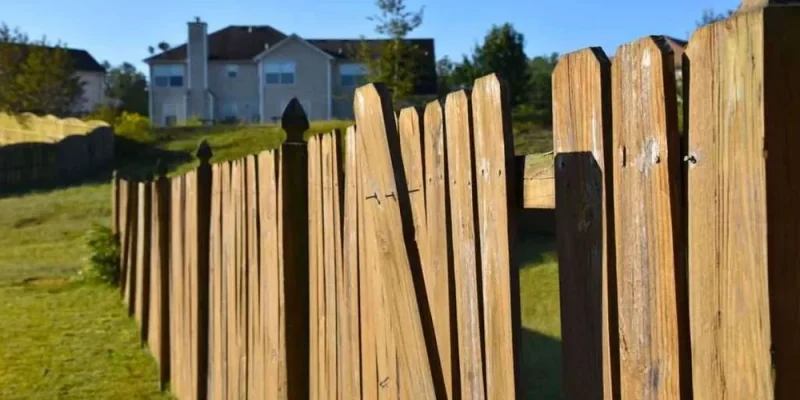
Frost heave does not announce itself. A post sits fine in September, tips two degrees off plumb by January, and by March the whole panel next to it is racked. Homeowners notice in spring because that is when they are outside looking at the yard again. The damage started months earlier, underground, while nobody was watching.
What frost heave actually does to a post
Water in the soil around a post footing freezes and expands every winter, which on its own is nothing unusual. The problem is that a post set too shallow, or set in native clay instead of properly backfilled gravel, gets pushed up and sideways as the ground heaves through repeated freeze-thaw cycles. Calgary runs through more of those cycles than most prairie cities because of the chinooks. A post that would stay frozen solid all winter in Edmonton gets a thaw-and-refreeze cycle here every few weeks, and each one works the post a little further out of position.
A post set properly, generally 36 to 48 inches deep depending on soil and exposure, resists most of this. A post set at 18 or 24 inches because the original install cut corners does not. Crews doing fall cleanup walk properties enough to know which fences were built properly and which ones were not, and shallow-set posts are almost always the ones that show up leaning by the second winter.
The tell-tale signs during a fall walkthrough
The signs are usually small. A gate that used to close flush now catches on the latch side, a panel shows a gap that is wider at the bottom than at the top, or rot has started at the base of a post where soil held moisture against untreated wood for a season too long. Any one of those found in October is a repair. The same problem found in April, after a full winter of movement, often means a full post replacement, and sometimes two if the adjacent panel racked with it.
Why cost goes up between October and April
Repairing a leaning post before winter usually means resetting it in the existing hole, adding proper gravel base, and letting the concrete cure before the ground freezes hard. That is a half-day job for one or two posts. Wait until spring and the same post has usually moved further, cracked the concrete collar around it, and sometimes taken the panel with it. Now it is a full excavation, a new post, and panel repair on top of that.
Post rot found during fall cleanup follows the same pattern. A post with soft wood at the base in October can sometimes be sistered or the base section replaced while the rest of the run stays intact. The same rot left through a wet spring thaw usually spreads far enough that the whole post needs pulling. Crews doing fence repair work in Calgary see this every single season: the properties that call in October fix one post, while the properties that wait until the fence is visibly failing in April are usually replacing a whole section.
Material cost plays a role too, though it is the smaller factor. Pressure-treated lumber pricing tends to climb in early spring as every landscaping and fencing company in the city places bulk orders at once. Booking a fall repair sidesteps that seasonal bump entirely, on top of avoiding the extra labour a full winter of movement creates.
The spring backlog problem
Every April the same thing happens: snow clears, homeowners walk their yards for the first time in months, and suddenly most fencing companies in the city are booked several weeks out. Fence repairs get queued behind new builds, deck projects, and the general rush of everyone wanting outdoor work done at once. A post that could have been fixed in a single fall visit now sits leaning through most of the spring while the homeowner waits their turn.
Fall works differently, because crews have more open slots when most people are not thinking about their fence once the leaves start to drop. Property owners who get a fence assessment before the ground freezes tend to get scheduled within a week or two rather than a month or more, and the repair itself is smaller because the problem has not had a whole winter to compound.
What a fall fence check actually covers
The check starts with post plumb, measured against a level at three or four points along a run, and then base rot, tested by pressing a screwdriver or awl into the wood near ground level. Hardware comes next, hinges and latches especially, since a gate that binds slightly in fall usually seizes completely once ice forms on it. The last item is panel attachment points, where screws back out over a season of wind load and go unnoticed until a panel comes loose in a windstorm. None of this takes long, and a typical residential fence line gets walked in twenty minutes. What takes time is the repair itself, and that time cost is exactly what fall timing keeps small.
Booking before the rush, not during it
The properties that come out ahead every year are the ones that get a fence walked in the fall, while the ground is still workable and before frost has a chance to start working on anything already compromised. It is not a big commitment either: one visit, a short list of what needs attention, and repairs scheduled while crews still have room on the calendar.
Waiting costs more in dollars and in time on the wait list come spring. A fence that gets checked every fall rarely reaches the point of needing a full section rebuilt, and that is really the whole argument for doing it now instead of after the snow melts.
Contact “PROPERTY WERKS” For More Information:
Address
1147 Renfrew Drive NE, Calgary, AB T2E 5H9
Phone
(403) 239-1269
Hours of operation
Weekdays 9 a.m.–5 p.m.
Website
Map





Comments