
 By
The hardwood vs. softwood question comes up in almost every woodworking and building project. The names sound simple, but they don’t always describe how hard the wood feels. Instead, they describe the type of tree the wood comes from.
Hardwoods come from broadleaf trees that usually lose their leaves each year, like oak, maple, walnut, and cherry. Softwoods come from conifers, such as pine, fir, cedar, and spruce. Most hardwoods are denser and harder than most softwoods, but there are exceptions. Balsa, for example, is a hardwood that’s very soft.
Each group has its own strengths. Softwoods grow faster and are widely available, which makes them the standard choice for framing, decks, and general construction. Douglas fir and pine are common in walls, floors, and roofs. Cedar resists decay naturally, so it’s popular for fences and outdoor projects.
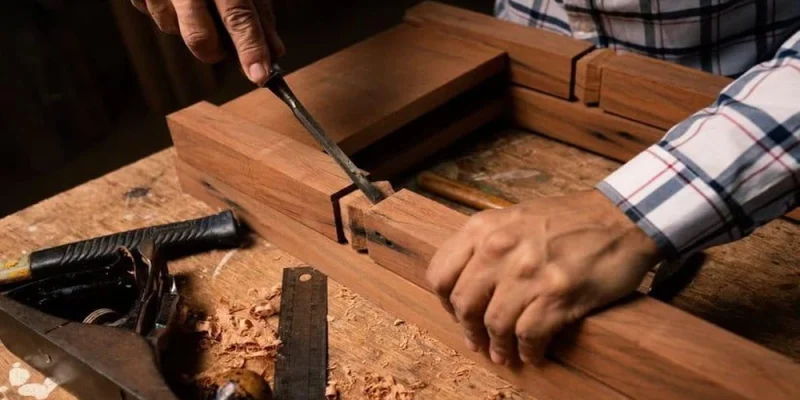
Hardwoods are often chosen for furniture, cabinets, flooring, and trim. Their tight grain, rich color, and strength make them look great and hold up to daily wear. They’re also harder to cut and shape, and they usually take more time to work with.
The best choice depends on the project. Framing a wall calls for softwood. Building a dining table often calls for hardwood. For shelves and trim, either can work, depending on the look and budget.
Grain direction and moisture also matter with both types. Wood moves as humidity changes, so builders should let lumber acclimate before use.
When weighing hardwood vs. softwood, think about strength, looks, workability, and where the piece will live.
Woodworkers in Los Angeles can see hardwood and softwood options side by side at Anawalt Lumber, a family-owned supplier since 1923.

Comments