
 By
By 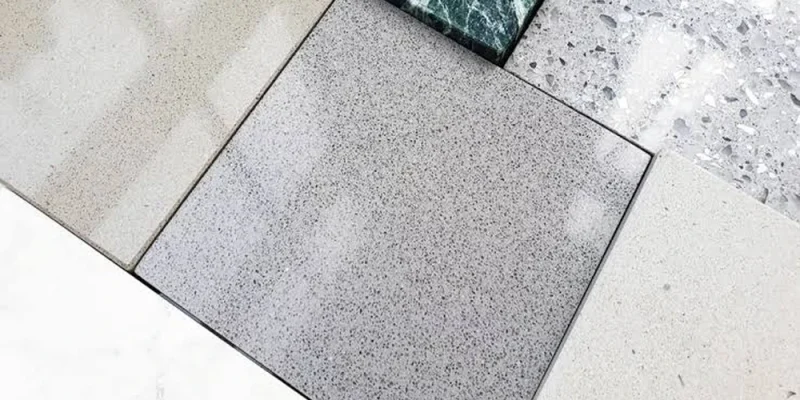
Every square foot of a commercial space makes a statement, but savvy decision-makers know it is the floor that absorbs the real wear and tear, along with a significant slice of the budget. Choosing the right flooring material is about more than immediate appeal. The smartest choices combine up-front savings with years of durability, effortless maintenance, and a style that never falls behind.
Why Choosing the Right Flooring Material Matters in Commercial Projects
The cost of a flooring mistake isn’t just measured in dollars. A poorly chosen surface can disrupt business, create safety risks, or undermine the image a brand works so hard to project. In retail settings, the floor can influence how long clients linger. In offices, poor acoustics and slippery tiles can chip away at productivity.
The Cost Implications of Flooring Decisions
Initial quotes for commercial flooring often appear straightforward. Yet, the sticker price rarely tells the full story. Factor in installation, cleaning, repairs, and eventual replacement. Suddenly, a “cheap” option may cost far more in the long run than a slightly pricier, hardier one.
Impact on Business Operations and Aesthetics
Downtime for repairs or replacements eats into profits. Frequent disruption can also erode client trust. Meanwhile, scuffed or dated flooring can send the wrong message to clients and employees alike.
Common Challenges Faced with Commercial Flooring
Heavy foot traffic, moisture exposure, and moving furniture repeatedly are just the beginning. Commercial floors must also cope with harsh cleaning agents and meet fire and slip-resistance standards. Not every material is up to the challenge.
Evaluating Long-Term Value: What Should You Consider?
Long-term value is about more than longevity. It’s the intersection of durability, low maintenance, aesthetic flexibility, and environmental responsibility.
Durability and Maintenance Requirements
Porcelain tiles and SPC (Stone Plastic Composite) vinyl are both renowned for toughness, easily outperforming carpet or hardwood in high-traffic zones. Maintenance matters, too. Materials that handle stains, water, and repeated cleaning without degrading quickly rise to the top of any shortlist.
Initial Cost vs. Lifecycle Cost
A high-quality tile might command a higher purchase price, but if it lasts decades with minimal upkeep, it can outstrip a budget solution that needs regular replacement. Always compare total cost over 10-20 years, not just installation day.
Aesthetic Flexibility and Brand Alignment
Some businesses need a bold, modern look; others want timeless subtlety. Flooring like porcelain comes in a vast range of finishes and textures, easily syncing with evolving design needs.
Environmental and Sustainability Factors
Eco-conscious clients are increasingly steering projects toward recyclable, low-VOC, or sustainably sourced materials. The right choice can help achieve green building certifications and boost a company’s reputation.
Comparing Popular Commercial Flooring Materials
Let’s break down the standout options for commercial spaces:
| Material | Durability | Maintenance | Cost (per sq ft) | Design Options | Best For |
|——————-|————|————-|——————|—————-|—————————–|
| Porcelain Tile | Excellent | Low | $2 – $5 | High | Lobbies, bathrooms, retail |
| SPC Vinyl | Very Good | Low | $1.39 – $3 | Moderate | Offices, healthcare |
| Carpet Tile | Moderate | Moderate | $2 – $5 | High | Boardrooms, hospitality |
| Hardwood | Moderate | High | $5+ | High | Boutique, executive suites |
| Polished Concrete | Excellent | Low | $2 – $7 | Limited | Warehouses, modern offices |
Porcelain Tiles: Strengths and Limitations
Porcelain tiles are prized for their resistance to scratches, stains, and moisture. They rarely fade and maintain their polish for years, even in busy corridors. The main downside is a slightly higher installation cost compared to vinyl, and the surface can be unforgiving underfoot.
SPC Vinyl: Affordability and Performance
SPC vinyl tiles combine a realistic look with incredible value. They’re waterproof, resistant to dents, and quick to install. However, in ultra-high-traffic zones, they might not outlast porcelain.
Other Options: Carpet, Hardwood, and Concrete
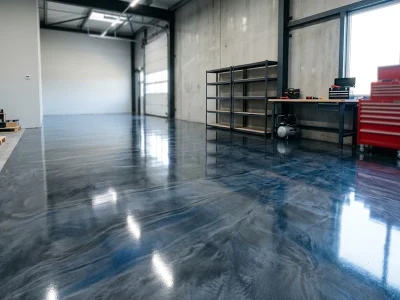
Carpet tiles deliver comfort and acoustic dampening but can stain and wear prematurely in bustling areas. Hardwood provides classic elegance but requires diligent upkeep. Concrete offers unmatched longevity but limited design flexibility.
How Supplier Reliability Affects Material Choice
A flooring material is only as good as its source. Reliable suppliers, such as those offering Club Ceramic Tiles, vet for quality, ensure fast delivery, and often provide business-friendly pricing and flexible payment options, key factors in keeping projects on budget and on schedule.
Analyzing Real-World Costs and Benefits
Price Points and Market Trends from Trusted Suppliers
Today’s market brings competitive pricing, with porcelain tiles starting as low as $1.99 per square foot and premium SPC vinyl from $1.39. But watch for deals and bulk discounts from trusted suppliers who maintain steady stock.
Case Examples of Cost Savings Over Time
A retail chain opting for porcelain tiles over carpet tiles reported nearly halved maintenance costs after five years, not to mention fewer disruptions and replacement needs. In another case, a medical office selected SPC vinyl for exam rooms, blending durability with budget-friendliness.
Maintenance and Repair Expenses in Different Materials
Porcelain and SPC vinyl both need only basic cleaning. By contrast, hardwood floors incur refinishing costs, while carpets require frequent deep cleaning and spot repairs, quickly adding to the total cost of ownership.
Overcoming Common Pitfalls in Flooring Selection
Avoiding Hidden Costs and Poor Quality Products
Cheaper materials or unreliable suppliers can lead to higher installation fees, early failures, or even safety issues. Always check warranties and supplier credentials before signing off.
Ensuring Timely Supply and Installation Efficiency
Delays can upend project timelines. Look for suppliers with a reputation for quick delivery and in-stock variety, as highlighted in real-world testimonials for sources like Club Ceramic Tiles.
Navigating Warranty and After-Sales Support
Comprehensive warranties and accessible after-sales support can make all the difference if issues arise.
Making an Informed Decision for Your Commercial Space
Flooring should align with budget realities, aesthetic goals, and operational demands. Leveraging supplier expertise and special offers can stretch budgets further and introduce new ideas you may not have considered.
Practical Tips for Maximizing Flooring Investment
– Always request samples to see and feel the material in your space.
– Analyze lifecycle costs, not just the purchase price.
– Prioritize installation by certified professionals for warranty validity.
Taking Action: Next Steps for Commercial Flooring Projects
Ready for a flooring upgrade? Start by gathering detailed quotes and samples tailored to your project’s needs. Coordinate logistics with a trusted supplier to guarantee seamless delivery and installation. Finally, establish a maintenance routine to safeguard your investment for years to come.
The best long-term value in commercial flooring comes from a blend of tough materials, fair pricing, and supplier reliability. Make your next project one that stands the test of time, and traffic.


Comments