
 By
By 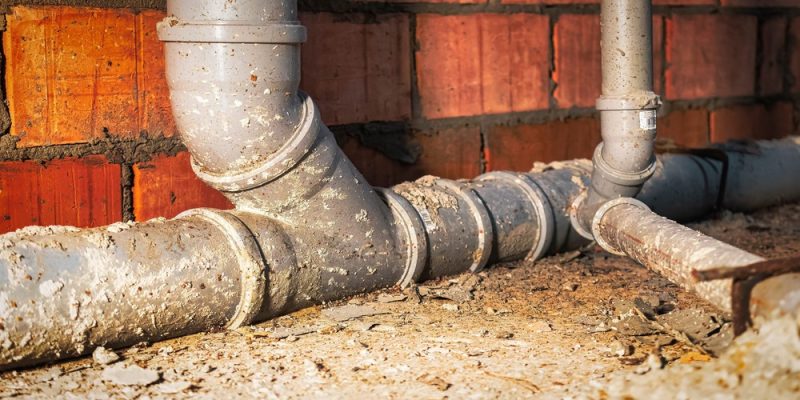
A new sewer installation involves underground infrastructure, strict code compliance, coordination with multiple governing authorities, and high cost. Skipping steps or cutting corners can result in property damage, health hazards, and hefty fines. This makes it important for homeowners to hire licensed plumbers from hosackplumbing.com to do the job. Here’s what to keep in mind when installing a new sewer in the city:
Understand Who Governs Your Sewer System
Brentwood is located within the service territory of the Metropolitan St. Louis Sewer District (MSD). MSD oversees 4,500-plus miles of sanitary sewers and serves approximately 1.3 million customers across 88 municipalities, including Brentwood. Here’s why this information matters for your installation:
- Permits from MSD and the City of Brentwood are typically required. MSD must approve any new connection to the public sewer main. The city’s Building Department enforces local plumbing and building codes separately.
- MSD must field-locate public sewers before excavation begins. If no public sewer exists immediately adjacent to your property, you bear the cost of extending it. Construction plans must be prepared by a Missouri-licensed professional engineer and submitted to MSD for approval before any ground is broken.
- The sewer lateral from your home to the MSD main is your responsibility. Homeowners are responsible for maintenance, repair, and replacement of their lateral line from the foundation to the public main.
Know Brentwood’s Local Code Requirements
Brentwood has adopted the 2018 International Plumbing Code and 2018 International Residential Code. These codes establish non-negotiable technical standards for any sewer installation:
- Building sewers must be a minimum of 30 inches below grade. This depth requirement protects lines from freeze damage and surface load stress.
- Private septic tanks are not permitted. All new residential sewer installations must connect to the public system.
- Permits are required before work begins. Work started without a permit can trigger stop-work orders and penalties under Section 100.080 of the Brentwood City Code.
Permit applications must be accompanied by detailed plans showing all proposed site improvements. A performance bond or escrow agreement may be required before a permit is issued for larger projects.
Prepare for What’s Underground
Brentwood and the surrounding St. Louis County area have an aging residential housing stock with common underground surprises. Before any excavation starts, here are subsurface concerns that need to be addressed:
- Call 1-800-DIG-RITE (Missouri One Call) before any digging. State law requires utility notification before ground disturbance. Unmarked gas, electric, and water lines are a serious hazard during sewer trenching.
- Tree root intrusion is a frequent issue in established Brentwood neighborhoods with mature landscaping. Roots from nearby trees are a leading cause of lateral sewer line failure and can complicate new installations and the removal of old lines.
- Soil conditions and depth affect cost significantly. Trenching costs run $4 to $12 per linear foot under normal conditions, but rocky or clay-heavy soil can drive this figure upward.
Understand the True Cost of the Project
Homeowners often underestimate sewer installation costs by focusing only on pipe and labor. The full picture includes multiple line items:
- New sewer line installation costs $50 to $250 per linear foot. Most residential projects total between $1,421 and $5,759 nationally.
- Permit fees in Missouri municipalities typically range from $200 to $1,000, depending on the scope of work.
- Landscape and hardscape restoration adds $1 to $25 per square foot, depending on surface type.
A Licensed Plumber Is the Only Right Choice
A licensed Missouri plumber brings capabilities that protect your investment:
- Code and permit navigation. A licensed plumber knows which permits are required from the City of Brentwood and MSD. They ensure plans meet local amendments to the International Plumbing Code, and coordinate inspections at the right phases of work.
- Accurate system design. Proper slope, pipe diameter, cleanout placement, and connection method require technical calculation.
- Trenchless method evaluation. A licensed plumber assesses whether your property and existing infrastructure support a trenchless approach.
- Coordination with MSD: If a public sewer extension is needed, licensed professionals prepare the engineering documentation MSD requires and manage the approval process.




Comments