
 By
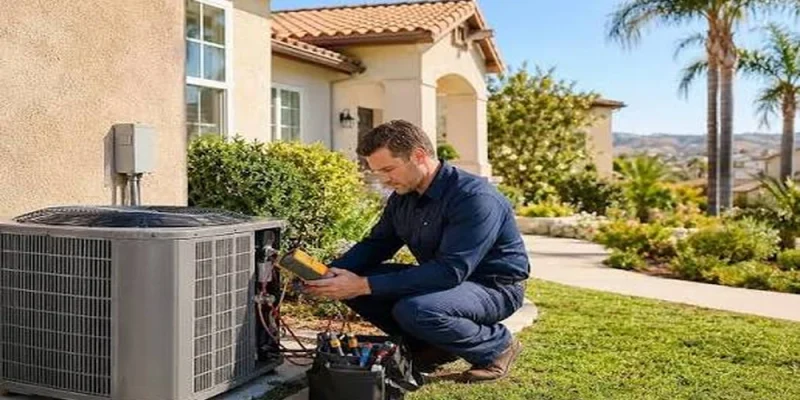
Most homeowners learn how their heating and cooling system works through a mix of habit, advice from neighbors and whatever the previous owner left behind. Some of that knowledge is sound. Plenty of it is not, and a few widely shared beliefs end up raising energy bills, shortening equipment life or leaving certain rooms uncomfortable no matter how low the thermostat goes.
A family owned Tustin HVAC contractor that works across Orange County hears the same handful of assumptions on service calls year after year. Many of them made sense once, or sound logical on the surface, but fall apart when you look at how modern equipment actually behaves in a Southern California home.
Below are five of the most common, along with what really happens inside your system when you follow them.
1. A Bigger Air Conditioner Cools the House Better
The belief: If your home struggles on hot afternoons, a larger unit will fix it.
What actually happens: An oversized air conditioner drops the air temperature quickly, satisfies the thermostat and shuts off before it has run long enough to pull moisture from the air or balance temperatures across the house. This pattern, called short cycling, leaves rooms feeling cool but slightly clammy. It also puts extra wear on the compressor, because starting up is the hardest moment in any cooling cycle.
In many Orange County homes, a struggling system points to leaky attic ducts, poor insulation or a blocked return rather than a unit that is too small. Proper sizing comes from a room by room load calculation, not from the size of the old equipment or the square footage alone.
The thermostat version of this belief is just as common. Setting the temperature to 65 degrees does not make the air conditioner cool faster. It simply runs longer and overshoots the comfort level you actually wanted.
2. Closing Vents in Empty Rooms Saves Money
The belief: Shutting the registers in a guest room or unused office sends that cooled air elsewhere and lowers your bill.
What actually happens: Central systems are designed to move a set amount of air through a set amount of ductwork. Closing vents raises pressure inside the ducts, which pushes more air out through leaks and gaps, often into a hot attic. The blower works harder, and in some cases airflow across the indoor coil drops low enough for the coil to freeze.
If you genuinely want to condition parts of the house differently, a zoning system or a ductless unit for that room is the better path. Leaving registers open and clear of furniture is usually the most efficient everyday choice.
3. Furnaces in Mild Climates Can Skip Checkups
The belief: Winters here are so short that the furnace barely runs, so maintenance can wait.
What actually happens: A furnace that sits idle for most of the year collects dust on burners, sensors and the blower. When the first cold night arrives in November or December, that buildup can cause ignition problems, unusual smells or a system that refuses to stay lit. The Santa Ana winds that sweep through in fall can add even more dust to outdoor and indoor components.
Safety matters too. Gas furnaces burn fuel and vent combustion gases, so cracked heat exchangers, loose flue connections and faulty safety switches deserve a look before heavy use. A pre season inspection also gives a technician the chance to confirm that carbon monoxide alarms are present and working near sleeping areas. Light use does not make these checks less important. It just makes problems easier to miss.
4. Air Ducts Need Professional Cleaning Every Year
The belief: Ducts get dirty over time, so annual cleaning keeps the air healthy.
What actually happens: Duct cleaning has its place, but routine scheduling is not supported by the evidence. The U.S. Environmental Protection Agency’s guidance on air duct cleaning explains that it does not recommend cleaning ducts routinely, only as needed. The agency points to specific situations where cleaning makes sense, such as visible mold growth, pest infestations, or ducts so clogged that particles blow out of the supply registers.
The same guidance notes that keeping water and dirt out of the system in the first place is the most effective way to prevent contamination. In practice, that means changing filters on schedule, sealing duct leaks in the attic and fixing condensation problems around the indoor coil. Dusty return grilles are normal and can simply be vacuumed.
If you are offered duct cleaning as part of a bundled deal or a low cost coupon, it is reasonable to ask what the technician actually found inside your ducts before agreeing to it.
5. If It Still Runs, Replacement Makes No Sense
The belief: An air conditioner or furnace should be used until the day it stops working.
What actually happens: Equipment rarely fails without warning. Long before a breakdown, aging systems tend to show signs such as rising energy bills, frequent repairs, uneven temperatures between rooms, excess humidity and growing noise. The ENERGY STAR guide on when to replace heating and cooling equipment lays out these warning signs and suggests talking with a professional when several of them show up together.
Waiting for total failure has a hidden cost. Breakdowns tend to happen during peak demand, such as the first serious heat wave of summer, when service schedules are full and decisions get rushed. Planning a replacement during spring or fall gives you time to compare options, consider a heat pump or ductless system, and choose equipment based on fit rather than urgency.
None of this means every older system needs replacing. Plenty of well maintained units run reliably for years beyond their expected lifespan. The point is to make the decision deliberately, with real information about efficiency, repair history and comfort, instead of letting a breakdown make it for you.
Comfort Built on Better Information
Most HVAC myths survive because they contain a grain of truth. Bigger can feel more powerful, closed vents look like savings, and clean ducts sound healthier. The real behavior of airflow, moisture and combustion is less intuitive, which is why small misunderstandings can quietly cost money for years.
Questioning these habits does not require technical training. Notice how your system behaves through the seasons, ask why a recommendation is being made, and favor explanations that connect to what is actually happening in your home. Understanding the reasons behind good practices is what turns a heating and cooling system from a mystery into something you can manage with confidence.



Comments