
 By
By 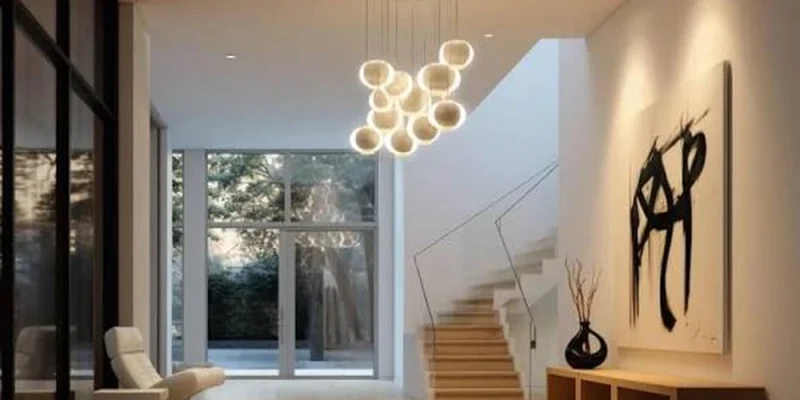
What Pendants Do That Other Fixtures Don’t
Pendant lights define space from above in a way that floor and table lamps cannot replicate. Hung over a surface – a kitchen island, a dining table, a bathroom vanity, a foyer entry – they create a visual ceiling specific to that surface that delineates the functional zone in a room without physical walls. This space-defining quality makes them particularly effective in open floor plans where different zones share a continuous ceiling.
The visual weight of a pendant – the combination of its scale, material, and optical density – allows it to serve as a focal point in a room without occupying floor space. A large, dramatic chandelier-scale pendant in a dining room commands attention from across the space; a small, restrained pendant over a kitchen island provides task light without demanding attention. The same basic fixture type serves very different visual purposes across this scale range.
The variety within the pendant lights category is wider than any other single fixture type – from delicate glass globes to architectural metal cylinders to natural fiber baskets to crystal clusters. This variety makes pendant selection one of the more nuanced fixture decisions in an interior, requiring matching not just to the room’s style but to the specific surface being defined and the visual weight appropriate to the space.
Scale and Height: The Two Variables That Most Affect Outcome
Scale is the most common pendant selection error. A pendant that looks appropriately proportioned in a showroom environment – against high showroom ceilings, with open space around it – frequently appears undersized when installed in a residential space with adjacent furniture and lower ceilings. For pendants over a dining table, the diameter of the pendant should be roughly half to two-thirds the width of the table; a 36-inch pendant over a 48-inch table reads as appropriately proportioned.
Height adjustment is the second most common area for pendant installation error. Over a dining table, standard installation places the bottom of the fixture 30 to 34 inches above the table surface – this height provides adequate illumination of the table surface while keeping the fixture within the field of view of seated diners without obstructing sightlines across the table. Over a kitchen island where people stand, the fixture should be higher – typically 36 to 42 inches above the countertop.
Multiple pendants over a surface should be evenly spaced in relation to both the surface length and each other. Three pendants over a 96-inch island, for example, are typically centered on the island with equal spacing between them – leaving enough space at each end that the pendants do not crowd the edge. Sketching this arrangement on paper before ordering confirms that the number and size of pendants works for the specific surface.
Energy Star certified pendant fixtures confirm that the LED components within the fixture meet efficiency standards that validate the stated light output and color temperature.
Style Integration and Mixing Metals
Pendant style selection should consider the existing finishes in the room. A brushed brass pendant in a kitchen with brushed nickel hardware may require updating the hardware to match, or accepting a metal mixing that is either intentional or discordant depending on execution. Intentional metal mixing – different finishes used in specific relationships – can be successful; random mixing without attention to which finishes appear where typically looks unplanned.
The relationship between pendant style and room architecture affects whether the fixture feels appropriate or incongruous. A clean-lined contemporary pendant in a room with ornate traditional millwork may read as a stylistic statement or as a design conflict depending on the specific combination and how the contrast is handled in the broader room. When in doubt, a fixture that bridges styles – contemporary in form but with traditional material references, or vice versa – is typically more versatile than a strong stylistic statement.
Pendant installation in older homes sometimes reveals wiring that is not positioned where the pendant should hang relative to the surface below. This is one of the more common installation discoveries – the existing light fixture location does not center over the island or table that the pendant is meant to define. Moving the electrical connection to the correct position involves more work than a direct fixture swap and should be anticipated as a possibility before scheduling installation.






Comments