
 By
By 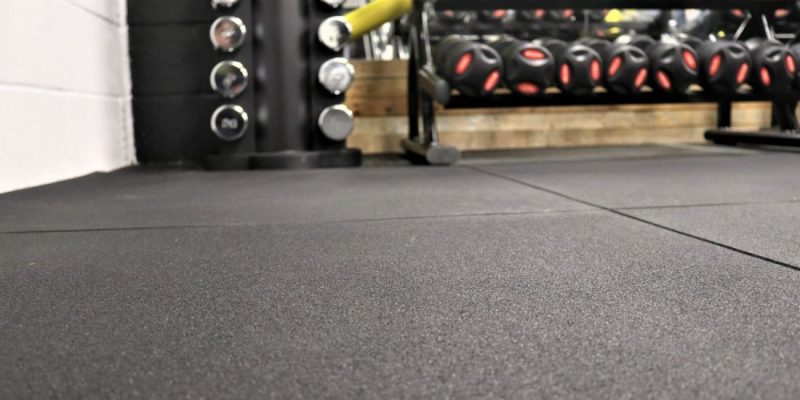
Rubber flooring has carved a niche for itself in both residential and commercial spaces, thanks to its unbeatable combination of durability, comfort, and eco-friendliness. Whether you’re designing a home gym, upgrading a retail space, or seeking a safe play area for kids, rubber flooring offers a flexible solution that meets modern demands for style, sustainability, and functionality.
What is Rubber Flooring?
Rubber flooring is made from either natural tree rubber or synthetic materials, often derived from recycled tires. Available in a variety of forms—tiles, rolls, and mats—rubber flooring is highly regarded for its resilience, slip resistance, and shock-absorbing qualities. It is a popular choice in gyms, schools, hospitals, offices, and increasingly, homes.
Key Benefits of Rubber Flooring
Durability
Rubber flooring is exceptionally tough. It can withstand high traffic, heavy weights, and sharp impacts without cracking or denting. This makes it ideal for commercial spaces, fitness centers, and garages where wear and tear are constant.
Comfort and Safety
Unlike hard surfaces like concrete or tile, rubber flooring provides a cushioned feel underfoot. This comfort is especially beneficial in environments where people stand for long periods, such as kitchens or workshops. Additionally, its natural slip-resistance and shock-absorbing properties make it safer, reducing the risk of falls and injuries.
Sound Insulation
Rubber has excellent sound-dampening qualities, helping to reduce noise transmission between floors or within rooms. This is particularly useful in apartment buildings, schools, and busy commercial environments.
Moisture and Stain Resistance
Rubber flooring is naturally water-resistant and can be treated to be even more moisture-repellent. This makes it a great choice for bathrooms, basements, and other damp areas. It is also resistant to stains and easy to clean, requiring minimal maintenance.
Eco-Friendly Option
Many rubber floors are made from recycled materials, especially post-consumer tires, making them a sustainable option. Choosing rubber flooring contributes to reducing landfill waste and conserving resources.
Design Flexibility
Modern rubber flooring comes in a wide range of colors, patterns, and textures. You can choose from classic black to vibrant hues, subtle speckled designs to bold geometric patterns—allowing you to match your floor with virtually any interior design theme.
Ideal Applications for Rubber Flooring
– Home Gyms and Fitness Centers
Rubber flooring is almost synonymous with gym environments. It provides the necessary shock absorption for high-impact activities, protects subfloors from heavy equipment, and offers traction for safe workouts.
– Play Areas and Schools
Safety is paramount in places designed for children. Rubber flooring provides a soft, cushioned surface that can minimize injuries from slips or falls, while also being easy to clean and maintain.
– Commercial Spaces
Retail shops, airports, and showrooms benefit from the high durability and sound-absorbing qualities of rubber flooring. It withstands foot traffic and keeps noise levels down, creating a pleasant environment for both staff and customers.
– Industrial Settings
In factories and warehouses, rubber flooring offers resistance to chemicals, oils, and heavy loads. It also enhances worker comfort and reduces fatigue in standing workstations.
– Kitchens and Bathrooms
Thanks to its water-resistant nature, rubber flooring is gaining popularity in kitchens and bathrooms. It provides a comfortable surface for long hours of cooking and is safe in wet conditions.
Installation and Maintenance
Rubber flooring can be installed using glue-down or loose-lay methods, depending on the type and usage area. Interlocking tiles offer a simple DIY option, while rolls are better suited for larger spaces.
Maintenance is straightforward. Regular sweeping and occasional mopping with a mild detergent will keep rubber floors looking fresh. Unlike wood or stone, rubber doesn’t need refinishing or sealing, making it a low-maintenance option.
Things to Consider
While ubber flooring offers numerous advantages, it’s important to consider a few limitations:
Initial Smell: New rubber flooring can emit a strong odor initially, though this dissipates over time and can be minimized with proper ventilation.
Cost: While not the most expensive flooring option, rubber can be pricier than vinyl or laminate. However, its longevity and low maintenance often offset the initial investment.
Color Fading: In direct sunlight, some rubber flooring types may fade. Choosing UV-resistant options or using area rugs and curtains can help prevent this.
Conclusion
Rubber flooring Dubai is a smart, sustainable choice for modern interiors. Its unmatched durability, comfort, safety features, and eco-friendly nature make it suitable for a wide range of environments—from home gyms and playrooms to commercial and industrial spaces. With increasing design options and long-term performance benefits, rubber flooring proves itself as a flooring solution that goes far beyond utilitarian use, delivering style and substance in one resilient package.
Whether you are a homeowner seeking comfort and safety or a business owner needing a long-lasting flooring solution, rubber flooring is a reliable investment that stands the test of time.





Comments