
 By
By 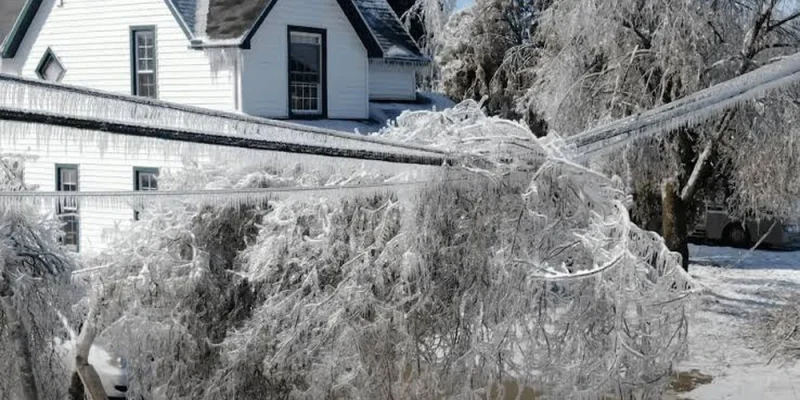
Most of the damage a Michigan winter or summer storm does to a house lands in a narrow band. That band is the last few feet of roof above the eaves, the gutters hanging from the fascia, and the strip of siding just below. It takes melting snow, refreezing ice, wind uplift at the edges, and every gallon of runoff the roof sheds. It is also where small problems stay hidden the longest.
Detroit’s older housing makes that band work even harder. Large parts of the city and its inner suburbs were built between the 1920s and the 1950s. Many of those bungalows and story-and-a-half homes have finished upper floors with sloped ceilings and knee walls, which leave little room for insulation, so heat escapes straight into the roof deck. Add a typical season of more than three feet of snow, frequent swings above and below freezing, and summer thunderstorms with hail and straight-line winds, and the roof edge is under stress for most of the year.
When that stress turns into a leak or a bare patch of roof, T&M Roofing is a roofing company in Detroit that handles Storm Damage Roof Repair. Its crews photograph wind, hail, and ice damage and help homeowners through the insurance claim. Its Residential Roofing work ranges from targeted repairs to full replacement. Roofline problems rarely stop at the shingles, so the team also does Gutters and Siding work, which means a sagging gutter or stained panel gets fixed along with the roof that caused it. Homeowners can request a free estimate through the company website.
1. Ice Dams Above The Eaves
Ice dam. An ice dam is a ridge of ice that builds at the roof edge and traps meltwater behind it. The University of Minnesota Extension explains that it forms when the upper roof stays above 32°F while the eaves stay below freezing. In many homes, the warmth comes mainly from indoor air leaking into the attic.
The trapped water backs up under shingles, which are built to shed water, not hold it. It then soaks the deck, the insulation, and the ceiling below, and damp drywall can grow mold. One small dam in a hard winter is not alarming. A dam that returns to the same spot every year, or any water on an interior ceiling, calls for a roof inspection and an attic air-sealing check. Chopping at the ice with tools usually does more damage to the shingles than the ice does.
2. Freeze-Thaw Cracking Around Seals
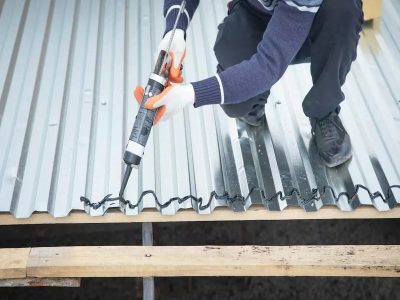
Freeze-thaw cracking. Water slips into tiny gaps, freezes, expands, and widens the gap a little with each cycle. On a roof, this shows up as dried sealant, cracked rubber boots around plumbing vents, and brittle shingle edges.
None of these leak dramatically at first. They drip during heavy rain or thaws, often for months before a ceiling stain appears. A spring walk around the house with binoculars is worth doing every year. A cracked vent boot is a cheap fix if you catch it early, but it can turn into a rotted deck patch if you catch it late.
3. Flashing Separation At Chimneys And Walls
Flashing separation. This happens when the metal sealing the joint between the roof and a chimney, dormer, or wall pulls away or loses its seal. Older brick chimneys are frequent culprits, because counterflashing set into the mortar joints loosens as the mortar wears.
Water that gets in at the joint often runs along the rafters before it shows up, so the stain can appear several feet from the actual leak. Stains near a chimney or along a dormer wall after rain or a thaw point to this problem. The repair may need masonry work as well as new metal.
4. Granule Loss From Hail Or Age
Granule loss. Asphalt shingles carry a coat of mineral granules that protects the asphalt from sunlight. Hail knocks the granules off in round, bruised spots, while age wears them away more evenly. Piles of grit at the downspout outlets are the easiest clue.
Once the asphalt is bare, it dries out and cracks faster, which shortens the life of the shingle. After a hailstorm, schedule an inspection quickly. Insurance policies often set deadlines for reporting damage, and fresh bruises are easier to document than year-old ones.
5. Wind Lift And Creased Shingles
Wind lift. Strong gusts get under shingle edges, break the adhesive strip, and fold the shingle back. That leaves a crease across it even after it lies flat again. Shingles near ridges, rakes, and corners go first.
A creased shingle no longer seals, so wind-driven rain can get under it. Cold weather makes this worse because the adhesive won’t reseal until warm days return. Missing tabs after a storm justify a call that same week, and a temporary tarp if needed.
Storms also bring door-to-door crews from out of state. Michigan’s licensing agency, LARA, licenses maintenance and alteration contractors by trade. Its license information page lists roofing, siding, and gutters as separate trades, and the trades a contractor is qualified for are printed on the license. Checking that takes only a few minutes before you sign anything.
6. Attic Condensation And Frost
Attic condensation. Warm, moist household air reaches the cold underside of the roof deck and freezes into frost, often visible on the tips of roofing nails. On the first mild day it all melts at once, and the attic seems to rain.
Repeated wetting darkens and softens the sheathing and rusts the fasteners. A common cause in older homes is a bathroom fan that vents into the attic instead of outdoors. If the insulation is matted or the wood looks black or spongy, fix the moisture source and the ventilation before any reroof.
7. Clogged Gutter Backup
Clogged gutter backup. Leaves left in gutters through fall freeze solid in winter and turn the gutter into an ice trough. Meltwater then spills over the back edge, behind the gutter, and onto the fascia.
The result is soft or rotted fascia boards, stained soffits, and water pooling at the foundation. The weight of the ice can also pull gutters away from the house, especially older runs held up by spikes. Call about sagging sections, gaps between the gutter and fascia, or peeling paint just below the gutter line.
8. Siding Damage Below The Roofline
Roofline siding damage. Where a lower roof meets a sidewall, water runs down the joint. Without a small kickout flashing to turn that water into the gutter, it can soak in behind the siding. Wind can also unlock vinyl panels, and hail can crack vinyl that has turned brittle in the cold.
The damage shows up as rot in the wall sheathing and framing, which can stay invisible from outside for years. Watch for dark streaks below the corner where a roof meets a wall, loose or cracked panels after a storm, or soft spots when you press on the siding. Any of these suggests the problem started at the roof and worked its way down.
These eight problems rarely stay separate. An ice dam overfills a gutter, the gutter pulls loose from the fascia, and water reaches the siding underneath. A hail bruise sheds its granules, and the exposed spot cracks from freeze and thaw the next winter. The most reliable way to catch damage while it’s still a simple repair is to check the roof edge, gutters, and upper siding together after every hard winter and every major storm.


Comments