
 By
By 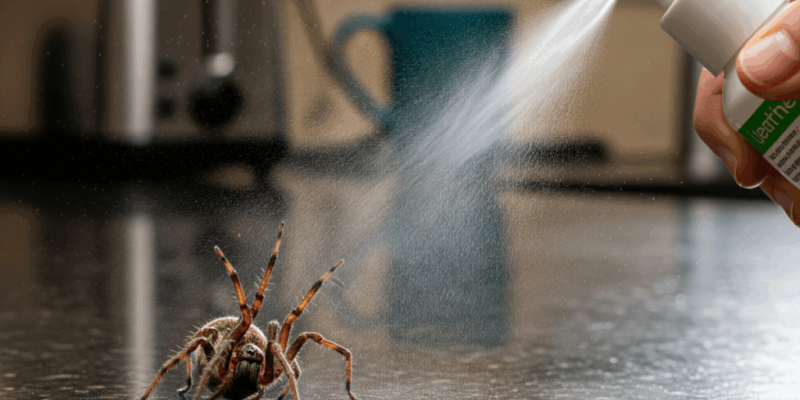
Spiders are common household pests that can cause anxiety for many homeowners. While most species are harmless, some, like black widows and brown recluses, pose health risks due to their venomous bites. Spiders are beneficial in outdoor environments as they prey on other insects, but inside homes, their presence can be unwelcome.
Effective spider control involves identifying species, recognizing infestation signs, implementing preventive measures, and, when necessary, utilizing professional services. In addition, understanding their habits and the environment they thrive in can help homeowners maintain a spider-free home year-round.
Why Spiders Invade Homes
Spiders seek shelter, warmth, and food. During colder months, they often move indoors to survive and find prey. Homes provide ideal conditions for spiders with dark corners, high ceilings, and undisturbed areas such as basements and attics.
Potential Issues
- Bites: Venomous spiders can cause serious reactions, including pain, swelling, or more severe symptoms in sensitive individuals.
- Nuisance: Cobwebs and spider activity can make homes feel unclean or unsafe, impacting comfort and peace of mind.
- Allergies: Some individuals may be allergic to spider bites or shed skin, which can trigger respiratory irritation or skin reactions.
Understanding spider behavior helps homeowners implement effective control strategies that minimize risk while maintaining a clean and safe living environment.
Common Spider Species Indoors
Different species have distinct behaviors and risks. Identifying the type of spider can help determine the best method for removal and prevention.
1. House Spiders
- Small, non-venomous species
- Create irregular webs in corners, basements, and attics
- Feed on small insects and rarely pose a threat to humans
2. Cellar Spiders
- Known as “daddy longlegs”
- Harmless but can be a nuisance
- Often found in damp areas like basements, crawl spaces, and laundry rooms
3. Wolf Spiders
- Ground-dwelling hunters that do not spin webs
- Can deliver a painful bite if threatened
- Usually hide under furniture or along baseboards
4. Black Widow
- Venomous and dangerous
- Recognizable by the red hourglass marking on the abdomen
- Prefer dark, undisturbed areas such as sheds, garages, and basements
5. Brown Recluse
- Venomous with a violin-shaped marking on the back
- Often hidden in closets, attics, or behind furniture
- Bites may cause severe skin lesions or require medical attention
Proper identification is critical to safely managing spider populations and avoiding unnecessary risks.
Signs of a Spider Infestation
Early detection is key to effective spider control. The following signs indicate a potential infestation:
1. Webs
- Irregular, messy webs are typical of common house spiders
- Funnel-shaped or tube-like webs may indicate funnel-web species
- Sticky webs along corners, ceilings, windowsills, and behind furniture are common indicators
2. Spider Sightings
- Frequent sightings, particularly at night when spiders are most active, suggest an infestation
- Adult spiders often inhabit dark, undisturbed areas, making them less visible during the day
3. Egg Sacs
- Small, white or beige sacs containing dozens of eggs
- Found in hidden areas like attics, basements, closets, and behind furniture
- Can hatch into numerous spiderlings, increasing the population quickly
4. Insect Activity
- An abundance of other insects indoors may attract spiders
- Controlling populations of flies, ants, and other prey reduces spider presence
Preventive Measures for Spider Control
Prevention is far more effective than removal after a severe infestation. Homeowners can take several steps to make their homes less attractive to spiders.
1. Maintain Cleanliness
- Regularly sweep and vacuum corners, ceilings, and hidden areas
- Remove cobwebs promptly and clean under furniture
- Keep clutter to a minimum, particularly in basements, attics, and garages
- Dispose of old cardboard boxes, stacks of newspapers, and unused items where spiders may hide
2. Seal Entry Points
- Inspect doors, windows, vents, and cracks in walls and foundations
- Use weatherstripping and caulking to prevent spider entry
- Repair damaged screens and ensure doors close tightly
3. Reduce Outdoor Attraction
- Keep shrubs, trees, and climbing plants trimmed away from the home
- Remove debris, leaf litter, and stacked firewood near the foundation
- Use outdoor lighting strategically to avoid attracting insects that spiders feed on
4. Minimize Indoor Food Sources
- Reduce other insect populations with regular cleaning and preventive measures
- Store pantry items in sealed containers
- Regularly clean pet areas and remove any insect-attracting debris
5. Monitor and Act Early
- Place sticky traps in corners, basements, attics, and other high-risk areas
- Inspect for egg sacs and remove them carefully using gloves or vacuum attachments
- Conduct seasonal inspections, particularly before winter when spiders seek shelter indoors
DIY vs. Professional Spider Control
While small infestations can be managed with DIY methods, larger or venomous infestations require professional intervention.
Limitations of DIY Methods
- Sprays and repellents may not reach hidden spiders or egg sacs
- Large infestations may require repeated treatment for complete removal
- Misidentification of venomous species can be dangerous
Benefits of Professional Services
- Accurate species identification and targeted treatment strategies
- Thorough inspections of indoor and outdoor areas
- Safe removal of venomous spiders and their egg sacs
- Long-term prevention plans to avoid reinfestation
When to Call a Professional
Professional spider control is recommended if:
- Venomous spiders, like black widows or brown recluses, are detected
- Infestation is widespread or persistent
- Multiple egg sacs are present
- DIY methods have failed to control the population
Professionals provide safe and effective removal while reducing the risk of bites and long-term infestations.
Maintaining a Spider-Free Home
Ongoing vigilance is essential to keep spiders at bay.
Best Practices
- Regularly inspect corners, basements, and attics for spiders and webs
- Maintain a clean and clutter-free environment
- Seal cracks and gaps around doors, windows, and foundations
- Keep outdoor vegetation trimmed and manage debris near the home
- Use sticky traps or professional monitoring as needed
Consistent preventive measures reduce the likelihood of future infestations.
Conclusion
Spiders, while beneficial outdoors, can pose health risks and become a nuisance indoors. Early detection, preventive strategies, and professional intervention are critical to managing spider populations safely and effectively. By maintaining a clean, well-sealed, and monitored home, homeowners can minimize spider activity.
For professional spider inspections, removal, and ongoing prevention services, homeowners rely on Hot Bugz to provide expert solutions that keep homes safe, clean, and spider-free.






Comments