
 By
By 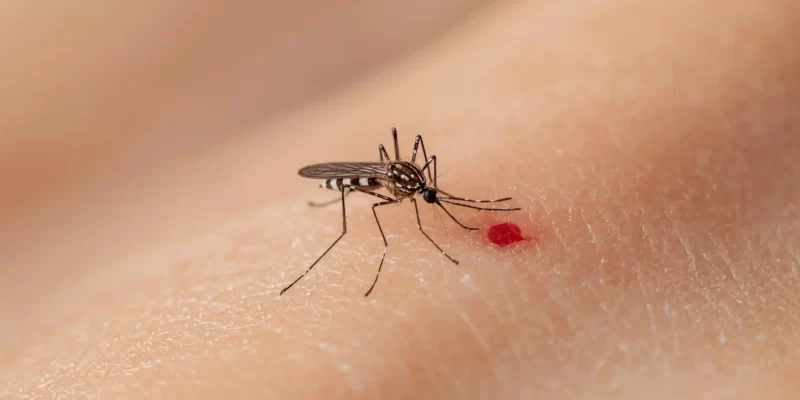
Mosquitoes are more than a nuisance; they are carriers of dangerous diseases and can significantly impact your comfort and enjoyment of outdoor spaces. Coastal and suburban areas, with standing water and humid climates, create ideal breeding grounds for these pests. Understanding their habits, signs of infestation, and preventive measures is crucial for maintaining a safe and enjoyable environment around your home.
This guide explores mosquito biology, risk factors, prevention strategies, and the benefits of professional mosquito control services.
Why Mosquito Control Is Essential
Mosquitoes pose several risks:
- Health hazards: Mosquitoes can transmit viruses such as West Nile, Zika, dengue, and Eastern equine encephalitis.
- Property nuisance: Swarms of mosquitoes can make outdoor activities uncomfortable or impossible.
- Pet safety: Mosquitoes can transmit heartworm disease to dogs and cats.
- Rapid reproduction: A single female mosquito can lay hundreds of eggs in standing water, leading to fast population growth.
By addressing mosquito problems proactively, homeowners can reduce the likelihood of disease transmission, protect their pets, and maintain enjoyable outdoor spaces.
Understanding Mosquito Habits
Knowing the life cycle and behavior of mosquitoes helps in controlling them effectively:
- Breeding Sites: Mosquitoes lay eggs in standing or stagnant water, such as birdbaths, clogged gutters, plant saucers, puddles, and ornamental ponds.
- Active Hours: Many species are most active at dawn and dusk, though some bite during the day.
- Attraction Factors: Mosquitoes are drawn to body heat, carbon dioxide, and sweat. Dense vegetation around your property can provide resting areas.
- Life Cycle: Eggs hatch into larvae, develop into pupae, and mature into adults in as little as 7–14 days in optimal conditions, allowing populations to explode quickly.
Early Signs of a Mosquito Problem
Recognizing signs early allows for timely action:
- Increased biting: Frequent bites during outdoor activities indicate local mosquito populations.
- Standing water: Pools of water in planters, gutters, or low areas are breeding grounds.
- Adult mosquitoes: Visible mosquitoes resting on walls, fences, or vegetation around your property.
- Larvae sightings: Tiny wriggling larvae in water sources indicate active breeding.
Prompt attention prevents minor mosquito presence from turning into a full infestation.
DIY Mosquito Prevention Strategies
Homeowners can take several steps to reduce mosquito populations:
1. Eliminate Standing Water
- Empty, turn over, or cover planters, buckets, birdbaths, and other containers regularly.
- Ensure proper drainage in low areas of the yard.
- Clean gutters frequently to prevent water accumulation.
2. Maintain Landscaping
- Trim tall grasses, dense shrubs, and overgrown vegetation to reduce resting areas.
- Keep grass short and remove leaf piles or debris.
- Consider planting mosquito-repelling plants such as citronella, lavender, or marigolds.
3. Use Physical Barriers
- Install screens on windows and doors.
- Consider mosquito netting for outdoor seating areas.
- Seal cracks and gaps in exterior walls, doors, and windows.
4. Safe Chemical Measures
- Use EPA-approved repellents for humans and pets.
- Apply insecticides in stagnant water areas where larvae may develop.
- Follow instructions carefully to avoid harming beneficial insects or the environment.
5. Monitor Regularly
- Check all water sources weekly.
- Keep an eye on adult mosquito activity and signs of new breeding areas.
Professional Mosquito Control Solutions
While DIY methods help, professional mosquito control ensures comprehensive management:
- Full property inspections: Identify all potential breeding sites, including hidden or hard-to-reach areas.
- Targeted larvicide applications: Prevent larvae from maturing into adult mosquitoes.
- Adult mosquito treatments: Reduce existing populations safely and effectively.
- Long-term monitoring: Regular follow-ups prevent resurgence and keep populations low.
- Education and guidance: Professionals provide homeowners with strategies to maintain a mosquito-resistant property.
Why Choose a Coastal-Savvy Mosquito Expert
Coastal and humid regions provide ideal conditions for mosquitoes year-round. A professional pest control team familiar with these environments can:
- Understand local mosquito species and their breeding habits.
- Apply treatments safely around children, pets, and vegetation.
- Prevent mosquito-borne disease risks through strategic and seasonal interventions.
Partnering with experts ensures your home remains comfortable, safe, and mosquito-free throughout the year.
Additional Tips for Maximum Protection
- Wear protective clothing: Long sleeves, pants, and light-colored clothing reduce bites.
- Use repellent properly: Apply DEET or other approved repellents following label directions.
- Maintain screens: Repair any holes in windows or doors to prevent mosquitoes from entering.
- Timing outdoor activities: Avoid high mosquito activity periods at dawn and dusk whenever possible.
Combining these personal measures with professional services provides the highest level of protection.
Take Action Today
Mosquitoes can quickly turn outdoor enjoyment into a health concern. By being proactive, maintaining your property, and seeking professional intervention, you can protect your family, pets, and home from these persistent pests.
For comprehensive mosquito prevention, treatment, and ongoing protection, reach out to Main Sail Pest. Their experienced team provides effective solutions tailored to coastal and suburban homes, ensuring a safe, comfortable, and pest-free environment year-round.



Comments