
 By
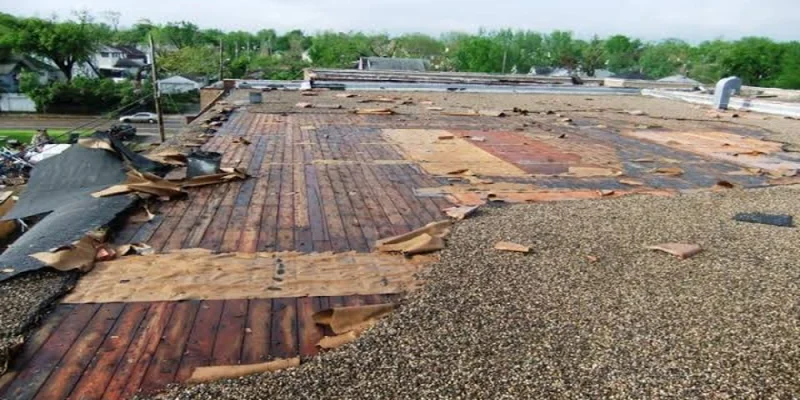
Every low-slope roof on a warehouse, office or strip center reaches a point where patching stops making sense. Leaks show up after every heavy storm, the membrane looks chalky or cracked, and the maintenance budget keeps growing. At that point the owner has a big decision to make, and a full tear off is only one of the options.
For buildings handled through Atlanta commercial roofing work, that choice is shaped by a hard climate for flat roofs. Long summers bake the membrane, frequent afternoon storms drop heavy rain on roofs that drain slowly, and rooftop HVAC units get foot traffic year round. rjsroofpros.com has more than 35 years in the region and offers free roof inspections, which is often where this decision starts.
The right answer depends less on the roof’s age than on what is happening inside it. Two roofs installed in the same year can need very different work.
Three Paths for a Worn Roof
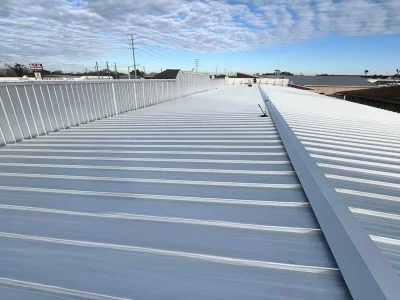
Coating. A liquid-applied coating, usually silicone or acrylic, is rolled or sprayed over the existing membrane after cleaning and repairs. It cures into a seamless layer that renews the weathering surface. This works when the roof underneath is still sound and dry. It does not fix wet insulation, a sagging deck or poor drainage.
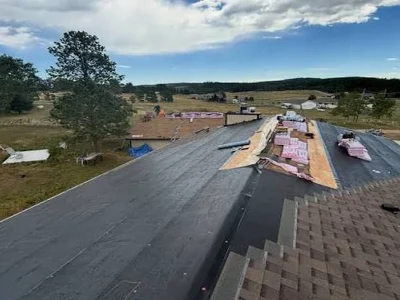
Recover. A new membrane goes over the existing roof, often with a layer of cover board or insulation between the two. This costs less than a full replacement and keeps the building watertight during the work. Building codes generally limit how many roof systems can be stacked, so a building that has already been recovered once usually can’t take another layer.
Replacement. Everything comes off down to the deck. The deck is inspected and repaired, new insulation is installed to current energy code levels, and a new membrane goes on top. It is the most expensive and disruptive option, but sometimes it is the only one that solves the problem.
The Survey That Settles the Question
Coating and recovering both have the same weak spot. They trap whatever is already in the roof. If the insulation under the membrane is soaked, sealing it in leads to blisters, failed adhesion, rot in the deck and leaks that come back within a few seasons. That’s why the decision should start with testing.
A good pre-project survey usually includes:
- An infrared or capacitance moisture scan of the whole roof, ideally after a dry spell
- Core cuts in a few spots to confirm what the scan shows and see how many layers are already there
- A close look at seams, flashings at walls and curbs, and penetrations around rooftop equipment
- A check of the drains, scuppers and areas where water sits for more than two days
- A walk underneath to look for deck rust, sagging or stains on the underside
If the survey finds wet areas covering a small part of the roof, those sections can be cut out and replaced, and the rest can still be coated or recovered. If the moisture is spread across the roof, replacement is usually the honest answer, even when a cheaper option is on the table.
Heat Changes the Material Conversation
Dark roofs absorb a huge amount of solar energy. On a summer afternoon, a black membrane can get far hotter than the air around it. That heat speeds up aging of the roof and adds to the load on the cooling system below.
Reflective surfaces reduce both problems. The U.S. Environmental Protection Agency notes that cool roof options for low-slope buildings include light-colored liquid coatings, reflective single-ply membranes and asphaltic membranes surfaced with reflective granules. That means owners can get the benefits of a cool roof through a coating or through a white TPO recover or replacement, depending on the condition of the roof.
Reflectivity does fade over time as dirt and biological growth build up, especially on low spots where water collects. Rinsing the roof occasionally and keeping overhanging trees trimmed helps keep a reflective roof doing its job.
Water That Never Leaves
Ponding water is one of the most common problems on low-slope roofs in a wet climate. Water that sits for days speeds up membrane wear, collects dirt that blocks drains, and adds weight to the structure. Some coatings are made to handle ponding better than others. Silicone generally handles standing water well, while many acrylics do not.
Coating or recovering over a ponding problem doesn’t fix it. Tapered insulation, crickets behind rooftop units, and extra or relocated drains change how water moves across the roof. Those fixes are much easier during a recover or replacement than at any other time, which is one reason owners with serious drainage problems often skip a coating altogether.
Timing and Disruption
Tenants, inventory and operations all affect the choice. A coating can usually be applied with almost no disruption inside the building. A recover adds some noise and rooftop traffic. A full replacement involves tear off debris, loud work on the deck and a short window where parts of the roof are open, so it needs careful planning in a region where pop-up storms can form within an hour.
Many owners schedule big roof projects for spring or fall, when temperatures are mild enough for adhesives and coatings to cure properly and the afternoon storm pattern is less dependable than in midsummer. Budget timing matters too. A coating may be the right bridge for a building that will be sold or redeveloped in a few years, while a long-term owner may get better value from a full system with a fresh warranty.
Making the Roof Last the Second Time Around
Whichever path the survey points to, the new roof will only last as long as the care it gets. Twice-a-year inspections, cleaning drains after storms, walkway pads to the rooftop units and quick repairs after HVAC service visits make the biggest difference. A worn flat roof is not automatically a lost cause. Owners who learn what is inside the roof before choosing a fix often get years of extra service for much less than a full replacement.

Comments