
 By
By 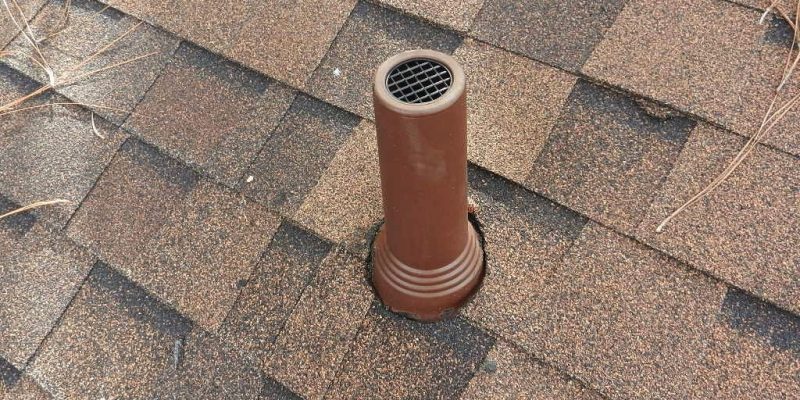
A number of pipes may be visible peeking through the flashing or shingles on your roof. These roof pipes may appear arbitrary or superfluous, yet they are essential to the heating, plumbing, and ventilation systems in your house. If you’ve ever wondered, what are the pipes sticking out of my roof, you’re not alone, each pipe serves a distinct function, ensuring the safe and effective operation of your home. Understanding the functions of each pipe will help you see possible problems and recognize how crucial adequate exhaust and ventilation systems for your roof are.
The Most Frequently Found Roof Pipes are Plumbing Vent Pipes
Plumbing vents, sometimes referred to as vent stacks, make up the majority of the pipes you see on a roof. These pipes enable fresh air to enter the plumbing system and sewer gasses to safely exit the house as part of the drain-waste-vent system. By maintaining this balance, pressure building is avoided and wastewater runs through the drains without hiccups. Usually white or grey PVC pipes, plumbing vents are located several feet above the roof. In the absence of these vents, your house may develop dangerous gas build-up, smell like sewage, or have slow drainage.
Heating Exhaust Pipes and Furnace Flues
The furnace flue, also known as the heating exhaust vent, is another typical kind of roof pipe. These lines safely release combustion gasses from boilers, water heaters, and gas-powered furnaces from your house. Furnace flues are typically made of metal and have a smaller diameter than plumbing vents. They are made to resist high temperatures and stop harmful gasses from building up indoors, such as carbon monoxide. Furnace flues must be installed and maintained properly for heating system efficiency and safety.
Attic Exhaust Vents: Controlling Moisture and Airflow
There are pipes on your roof that serve as exhaust vents for your attic. These aid in the removal of moisture and hot air from the attic area and are a component of your home’s ventilation system. Excessive heat and humidity can encourage the growth of mold and harm roofing materials. There are many different types of attic vents, such as turbine vents that rotate in response to the wind or pipe-like vents called “power vents.” By keeping the attic’s temperature balanced, these vents increase energy efficiency and extend the roof’s lifespan.
Conclusion
Knowing the many kinds of pipes that protrude from your roof enables you to recognize their significance in preserving a secure and cozy living space. Every pipe, including furnace flues, attic exhaust vents, and plumbing vents, is necessary for adequate ventilation, system performance, and safety. These pipelines stay clear and operational with routine inspection and repair, shielding your house from dangers and harm. The next time you see roof pipes, you’ll understand their purpose and how they maintain the efficiency of your house.




Comments