
 By
By 
Flies move fast and can multiply rapidly. Their presence in homes can indicate issues that homeowners have yet to address. and signal issues that often stay hidden.
Many people assume flies belong outside. But flies in Arlington enter homes for food, moisture, and safe places to lay eggs. They can be active indoors and outdoors due to the warm weather across much of the year. Unfortunately, flies may explore kitchens, trash areas, pet zones, and bathrooms once inside homes. That is why these dirty pests should be kept outside. This is possible with the help of Romney Pest Control. The company has pest control technicians who have extensive experience in handling different types of flies and the tools to eliminate these pests.
Common Types of Flies Found in Arlington Homes
House flies are the most familiar type. They feed on waste and food residue, then rest on counters and walls. Fruit flies target ripened produce, drains, and recycling bins. Drain flies appear near sinks and showers where organic buildup exists. Blow flies may signal an issue with trash, pet waste, or something decaying nearby.
Flies Carry More Than Annoyance
Flies move between waste and food surfaces. They carry bacteria from trash, drains, and outdoor sources onto counters and utensils. Pathogens linked to flies include E. coli and Salmonella. One fly may not cause illness, but repeated contact can increase the risk.
Fly Eggs Multiply Fast
A female fly lays hundreds of eggs during her life. These eggs hatch within days under warm conditions. Larvae, often called maggots, feed on organic matter.
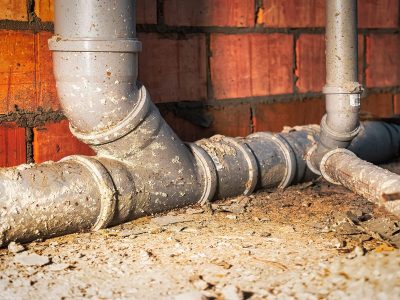
Kitchen and bathroom drains attract flies. Food particles, soap residue, and grease build a food source inside pipes. Drain flies lay eggs on this film and stay close to water sources. Many homeowners clean visible areas but forget drains.
Trash Habits Matter More Than Size
Trash attracts flies based on its content. Small bins with food scraps draw flies as much as large ones. Trash left overnight or uncovered gives flies access. Outdoor trash cans also affect indoor fly activity. Cans near doors or windows increase the chance of flies entering homes after feeding outside.
Pet Areas Attract Flies
Pet food, water bowls, and waste areas can draw flies. Flies feed on leftover kibble, moist food, and waste in yards or litter boxes. Homes with pets may face repeated fly issues when these areas lack daily care.
Seasonal Patterns Influence Fly Activity
Fly activity in Arlington usually increases in spring and summer. Warm air speeds up reproduction and movement. Fall may bring flies indoors as outdoor food fades. Mild winters allow some fly species to survive longer than expected. Indoor heat supports their life cycle, which explains winter sightings in kitchens or garages.
Openings that Flies Use to Enter Homes
Flies enter through doors, windows, and small gaps. Screens with tiny tears allow access. Doors left open during busy hours give flies easy entry. Garage doors often stay open longer, which increases the risk.
Light Attracts Flies Indoors
Flies respond to light, especially near windows and fixtures. Evening lights draw flies toward entry points. This habit explains why flies gather near windows during daytime. Curtains and blinds left open during peak fly hours increase visibility and attract them deeper indoors.
DIY Traps Help but Have Limits
Homemade traps catch some flies but do not address the source. Vinegar traps work for fruit flies, but fail against other species. A trap may reduce visible numbers while eggs and larvae remain hidden.
Moisture Control is Essential
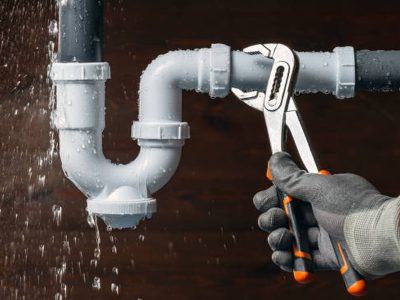
Flies depend on moisture. Leaks under sinks, damp trash areas, and standing water allow flies to survive. Condensation from appliances also adds moisture. So, it is important to fix leaks and dry surfaces.





Comments